

Blog / Allen Tillery Auto Chevrolet Buick GMC Service

2026 GMC Yukon and Chevrolet Suburban: Towing Capacity, Hitch & Diesel

Essential Towing Specifications for the 2026 GMC Yukon and Chevrolet Suburban at Lake Hamilton

Preparing to tow a boat on the scenic waters of Lake Hamilton requires understanding the towing capabilities of your vehicle, especially when it comes to large SUVs like the 2026 GMC Yukon and Chevrolet Suburban. Both models are engineered to deliver robust towing performance, making them excellent choices for boat owners who frequent the lake’s winding roads and variable terrain near Hot Springs, AR. Knowing the essential towing specifications ensures a safe and enjoyable boating experience without compromising vehicle performance or driver confidence.

The 2026 GMC Yukon and Chevrolet Suburban share a body-on-frame construction, which provides the structural strength necessary for heavy towing tasks. This design is crucial for stability and durability when hauling boats, trailers, or other sizable loads. One of the standout towing features of these SUVs is their impressive maximum towing capacity, which can reach up to approximately 8,400 pounds under the right configuration, making them capable of handling boats of various sizes comfortably.

A critical specification for towing at Lake Hamilton is the maximum tongue weight — the downward force the trailer’s tongue exerts on the hitch. For the 2026 GMC Yukon, this figure typically falls around 1,050 to 1,200 pounds depending on the trim and equipment. Properly managing tongue weight is vital for maintaining vehicle control and preventing trailer sway on the hilly and sometimes narrow roads surrounding the lake. The Chevrolet Suburban offers similar tongue weight capacities, also designed to accommodate substantial loads safely.

Both SUVs offer multiple engine options to meet different towing needs. The 5.3L V8 engine provides a balance of power and efficiency, ideal for moderate towing demands when cruising near Bryant or Benton, AR. For those requiring maximum power, the 6.2L V8 delivers enhanced horsepower and torque, essential for climbing steep inclines or accelerating with heavy trailers. Additionally, the 3.0L Duramax Turbo-Diesel engine option emphasizes torque and fuel economy, especially useful for longer trips or hilly terrain like the areas around Lake Hamilton.

Advanced trailering technologies come standard or are available on both SUVs, simplifying the towing experience. Features such as integrated trailer brake controllers, hitch guidance systems, and surround-view cameras help drivers maneuver trailers with precision. These technologies are particularly helpful when backing boats into launch ramps or parking near the marina in Arkansas locations like Nashville or Little Rock.

For residents and visitors planning their next boating excursion on Lake Hamilton, understanding these towing specifications is essential. It ensures that the 2026 GMC Yukon or Chevrolet Suburban is properly equipped and utilized to handle trailers safely and efficiently. When selecting your SUV or outfitting it with towing accessories, visiting Allen Tillery Chevrolet, Buick & GMC in Hot Springs is an excellent step. The dealership can provide expert guidance on configurations suited for Lake Hamilton’s unique driving and towing conditions. You can get directions to Allen Tillery Chevrolet, Buick & GMC or call (501) 881-4160 for personalized assistance.

By matching your towing needs with the 2026 GMC Yukon or Chevrolet Suburban’s capabilities, you can confidently navigate Lake Hamilton’s roads and enjoy seamless access to the water, ensuring every boating trip is both safe and satisfying.

Table of Contents

Unpacking the Maximum Towing Capacity and Tongue Weight of the 2026 GMC Yukon

When preparing to tow a boat at Lake Hamilton, understanding the maximum towing capacity and tongue weight of your 2026 GMC Yukon is crucial for safety and performance. The Yukon offers a best-in-class maximum towing capacity of up to 8,400 pounds when properly equipped, which makes it an excellent choice for hauling sizable boats across the varied terrain around Hot Springs, AR. This capacity depends on specific configurations, including engine choice, drivetrain, and the availability of towing packages.

The standard 5.3L V8 engine delivers robust power, enabling the Yukon to reach its peak towing limits when paired with the Max Trailering Package. For those needing even more torque, the 6.2L V8 option increases towing capability while maintaining smooth power delivery. Additionally, the 3.0L Duramax Turbo-Diesel engine balances fuel efficiency with strong torque output, making it a smart selection for extended towing on hilly roads near Lake Hamilton.

Alongside maximum towing capacity, tongue weight—the downward force the trailer exerts on the hitch ball—is a vital specification often overlooked. The 2026 GMC Yukon supports a maximum tongue weight of approximately 1,050 pounds. This figure ensures proper trailer balance and vehicle handling, especially when towing large boats with heavy trailers. Exceeding this limit can cause unsafe sway, reduce braking control, and increase wear on suspension components.

To get the most out of your Yukon's towing capabilities, pairing it with the right trailer hitch and ensuring proper load distribution is essential. Utilizing a weight-distribution hitch for trailers near the upper towing limit can improve ride stability and reduce strain on your Yukon’s rear suspension. For those in Arkansas’s suburban neighborhoods like Bryant, this knowledge enhances confidence when towing boats to local water access points.

Regular maintenance is also key to sustaining towing performance. Scheduling routine tire rotations helps maintain optimal traction and safety during towing trips around Lake Hamilton. If you're in the market for a capable new towing vehicle, browse our New Inventory to explore the latest 2026 GMC Yukon models available at Allen Tillery Chevrolet, Buick & GMC.

By adhering to these towing specifications and understanding tongue weight limits, drivers can ensure safe and efficient towing experiences, whether on the rolling roads of Benton or the boat ramps at Lake Hamilton.

Benefits and Features of the 2026 GMC Max Trailering Package for Confident Boating Adventures

The 2026 GMC Yukon’s Max Trailering Package is engineered to elevate towing capability and provide peace of mind during demanding boat towing excursions, such as those on the winding, hilly roads surrounding Lake Hamilton. This package enhances several critical systems, enabling the Yukon to safely and efficiently handle heavy trailers, including boats that can weigh up to 8,400 pounds when properly equipped.

A key feature of the Max Trailering Package is the integrated trailer brake controller, which allows for precise modulation of trailer brakes directly from the cabin. This technology improves stopping power and stability, especially important when launching a boat at busy or steep ramps like those found near Hot Springs. Additionally, the package includes an upgraded cooling system with a high-capacity radiator and transmission oil cooler. These components work together to manage temperatures and prevent overheating during extended towing periods or when ascending Arkansas’s challenging terrain.

The package also comes with a heavy-duty trailering hitch platform and hitch platform harness, designed to simplify hitch installation and maximize towing safety. For drivers who frequently tow, the addition of a trailering hitch platform with a 2-inch receiver provides compatibility with a wide range of towing accessories, such as weight-distribution hitches or sway control devices, enhancing trailer control and vehicle balance.

Advanced trailering technology complements these mechanical improvements. Features like the trailer sway control system and available ProGrade Trailering System, which offers real-time diagnostics and trailer status updates through the infotainment screen, help drivers monitor and adjust towing conditions seamlessly. This is especially beneficial when navigating the varied landscapes around Benton or Bryant.

For those considering pre-owned options, Allen Tillery Chevrolet, Buick & GMC offers a robust selection of used inventory with vehicles equipped for trailering. Proper brake function is vital for towing safety; therefore, regular brake service and brake repair is recommended to maintain optimal performance.

Overall, the Max Trailering Package equips the 2026 GMC Yukon with a comprehensive suite of features that enhance towing capacity, safety, and convenience, making it a reliable companion for your boating adventures on Lake Hamilton and beyond.

Evaluating the 3.0L Duramax Diesel Engine: Optimal Performance for Lake Hamilton’s Terrain

The 3.0L Duramax Turbo-Diesel engine available on the 2026 GMC Yukon stands out as a compelling option for drivers frequently towing boats on the varied terrain around Lake Hamilton. This inline-six diesel engine delivers 277 horsepower paired with an impressive 460 lb-ft of torque, a combination that provides strong low-end power essential for towing heavy loads up and down hilly roads commonly found near Lake Hamilton.

One of the key advantages of the Duramax diesel is its fuel efficiency compared to gasoline engines. With EPA estimates around 21 mpg city and 26 mpg highway for rear-wheel-drive configurations, it offers a significant improvement in fuel economy during towing excursions, especially when compared to the 5.3L and 6.2L V8 gas engines. This efficiency translates to fewer fuel stops on longer trips to popular boating locations, such as those near Benton or Bryant, where elevation changes can challenge less robust powertrains.

The torque-rich nature of the diesel engine contributes to smoother and more controlled towing performance on steep inclines and winding roads. This is particularly beneficial when launching or retrieving boats at Lake Hamilton’s ramps, where precise throttle response and consistent power delivery help maintain stability and control. Additionally, the diesel’s 10-speed automatic transmission is calibrated to optimize gear shifts for towing, enhancing both performance and drivability under load.

Durability and engine longevity are other important considerations. Diesel engines typically exhibit longer service intervals and robust construction, making the 3.0L Duramax a reliable choice for repeated towing demands. To maintain peak performance while towing, scheduling regular maintenance such as oil changes and cooling system checks is essential. For residents near Hot Springs, the availability of professional service and genuine replacement parts through Allen Tillery Chevrolet, Buick & GMC’s Order Parts and Oil Change Near Me services ensures your diesel-powered Yukon remains in prime condition.

In summary, for drivers navigating the hills and boat ramps around Lake Hamilton, the 3.0L Duramax diesel offers a balanced mix of torque, fuel efficiency, and durability that makes it an excellent engine choice for towing boats safely and confidently.

Practical Considerations: Choosing the Right Boat Ramp and Hitch for Large SUVs on Lake Hamilton

Selecting the appropriate boat ramp is crucial for owners of large SUVs like the 2026 GMC Yukon and Chevrolet Suburban when launching boats at Lake Hamilton. Ramps with gentle slopes, ample width, and firm, non-slip surfaces accommodate the size and weight of these SUVs while ensuring smooth launch and retrieval. Popular ramps around Lake Hamilton often feature reinforced concrete and spacious parking areas, which help prevent congestion and facilitate maneuvering. Drivers should prioritize ramps designed for heavy vehicles to avoid damage to their trailers or vehicles.

When it comes to hitches, an 8,000-pound boat demands careful consideration of the towing setup to ensure stability and safety. For boats of this weight class, a weight-distribution hitch is highly recommended. This type of hitch redistributes the tongue weight across the tow vehicle and trailer axles, reducing sway and improving control, especially on Lake Hamilton’s winding, sometimes steep roads. Coupling this with sway control devices further enhances towing confidence.

Drivers preparing for towing should also verify that the hitch system matches the truck’s maximum tongue weight capacity, which for the 2026 GMC Yukon can reach up to 1,200 pounds depending on the configuration. Installing the correct hitch and trailer brake controller, often included in the Max Trailering Package, ensures responsive braking and safer towing.

For those ready to take the next step in outfitting their Yukon or Suburban for boating excursions, applying through our Quick Finance Application can streamline the acquisition process for any towing accessories or vehicle upgrades needed.

Maintaining Your 2026 GMC Yukon for Reliable Towing and Safety on Arkansas Roads

Regular maintenance is crucial to ensure your 2026 GMC Yukon remains dependable when towing boats around Lake Hamilton and Arkansas roads. Key areas to monitor include the cooling system, transmission fluid, and brakes, as these components endure extra strain during towing. Keeping tire pressure within recommended levels preserves handling and reduces wear, especially on hilly or uneven terrain typical near Hot Springs.

Scheduling routine inspections with certified technicians helps catch potential issues early, maintaining your vehicle’s towing performance and safety features. You can conveniently Schedule Service at Allen Tillery Chevrolet, Buick & GMC to keep your Yukon in peak condition. For directions to our service center, Get Directions to Allen Tillery Chevrolet, Buick & GMC or Schedule Service. For any questions, Call us at (501) 881-4160.
© 2026 Allen Tillery Chevrolet, Buick & GMC. All rights reserved.

Posted in:

Related Posts

Essential Maintenance for Hot Springs Drivers: Summer Heat and Seasonal Challenges

Essential Maintenance for Hot Springs Drivers July and August in central Arkansas often bring daily high temperatures reaching 94 degrees, creating an environment of extreme under-hood heat stress. For vehicles navigating the frequent stop-and-go traffic near the historic bathhouses and tourist corridors of Hot Springs, this thermal load places a significant burden on the engine cooling system and the battery. High ambient temperatures accelerate the chemical breakdown inside lead-acid batteries and can lead to coolant evaporation or hose degradation. Our team focuses on preventative cooling system flushes and battery load testing to ensure your vehicle remains reliable during the most humid months of the year. Extreme heat also accelerates tire wear and increases the risk of failure for underinflated tires. When you visit our 4573 Central Ave location, we perform comprehensive pressure checks and tread depth inspections. Properly inflated tires not only improve fuel efficiency but also provide the necessary traction for the sudden, heavy rainstorms common in our humid subtropical climate. Maintaining the correct antifreeze concentration is equally vital, as it serves a dual purpose: raising the boiling point in the summer and preventing freeze damage when winter temperatures drop below 32 degrees. Proactive ownership involves staying ahead of these environmental challenges before they result in a roadside breakdown. You can reach our service advisors at (501) 881-4160 to discuss your vehicle’s specific maintenance needs based on its mileage and age. If you are ready to bring your vehicle in for a multi-point inspection, we encourage you to use our online service appointment tool to find a time that fits your schedule. Table of Contents Comprehensive Repair Services and Technical Diagnostics Managing Seasonal Vehicle Care in Central Arkansas Precision Steering and Suspension Solutions Advanced Transmission Care and Drivetrain Reliability** Local Service Expertise and Common Maintenance Questions Long Term Vehicle Longevity and Service Scheduling Comprehensive Repair Services and Technical Diagnostics Modern vehicles rely on a complex network of sensors and modules to manage everything from fuel injection to advanced safety systems. When a dashboard warning light appears, it requires more than just a code reader to identify the root cause; it requires a technician who understands the underlying mechanical and electrical relationships. Our ASE-certified technicians utilize factory-grade diagnostic equipment to pinpoint faults in the engine, transmission, and electrical harnesses, ensuring that repairs are performed accurately the first time. For residents in Malvern who rely on their vehicles for daily commutes to local manufacturing plants, mechanical reliability is a necessity for maintaining a consistent work schedule. We provide a full suite of services ranging from minor adjustments to major component replacements. Using genuine OEM parts ensures that every replacement component meets the exact specifications and tolerances established by the manufacturer, which preserves the integrity of your vehicle’s performance. Safety remains the primary focus during every service visit, particularly regarding the systems that allow you to maintain control on the road. Specialized brake inspection and repair services include pad replacement, rotor resurfacing, and hydraulic fluid flushes. To ensure even tread wear and extend the life of your tires, a regular tire rotation is recommended every 5,000 to 7,500 miles. This simple step helps maintain balanced handling and prevents the premature need for a full set of new tires. Managing Seasonal Vehicle Care in Central Arkansas The transition between the sweltering Arkansas summer and the freezing winter nights requires a shift in how you approach vehicle fluids and visibility components. Heavy rain is a frequent occurrence in this region, making high-quality wiper blades and a clear windshield essential for safe navigation. We often see vehicles with "streaking" blades that have been baked by the sun, reducing visibility during the afternoon downpours that characterize our local weather patterns. Replacing these blades and ensuring your washer fluid is topped with a seasonal mix is a quick but effective way to improve driving safety. Engine oil is perhaps the most critical fluid to monitor as the seasons change. Heat thins oil, reducing its ability to lubricate internal engine components effectively under heavy loads, such as towing a boat to a nearby lake. Conversely, cold weather can cause oil to thicken, making it harder for the engine to turn over during a frosty morning start. Scheduling a certified oil change ensures that your engine is protected by the correct viscosity and high-quality filters, regardless of the temperature outside. Precision Steering and Suspension Solutions Are you noticing a "bouncy" ride or a pull to one side while driving through the hilly terrain of the Ouachita Mountains? The rugged ridges and winding valleys of our local landscape put a unique strain on a vehicle's suspension and steering components. Over time, shocks and struts lose their ability to dampen road impacts, which can lead to increased stopping distances and uneven tire wear. We frequently inspect tie-rod ends, ball joints, and control arm bushings to ensure your steering remains crisp and predictable on elevation changes. Wheel alignment is another critical factor in vehicle stability, especially if you have recently encountered a deep pothole or debris on a forested backroad. A vehicle that is out of alignment forces the engine to work harder to maintain a straight path, which can negatively impact your fuel economy. Precision alignment racks allow for the adjustment of camber, caster, and toe settings to factory specifications, ensuring your tires make optimal contact with the pavement for better grip and longevity. Advanced Transmission Care and Drivetrain Reliability** A common misconception among many drivers is that transmission fluid never needs to be changed unless a leak is detected. However, the high-heat environment of central Arkansas can cause transmission fluid to oxidize, losing its lubricating properties and leading to increased friction within the gear sets. Whether your vehicle is equipped with a traditional 6-speed automatic or a modern continuously variable transmission, regular fluid exchanges are vital for preventing slipping, harsh shifting, and eventual internal damage. In cases where a drivetrain component has already failed, we offer specialized repair and rebuild services to restore your vehicle to peak operation. This includes work on transfer cases and differentials for all-wheel-drive and four-wheel-drive systems, which are essential for those who frequently navigate rugged terrain or boat ramps. Maintaining these systems ensures that power is distributed effectively to all wheels, providing the traction needed for both daily commuting and weekend recreation. Local Service Expertise and Common Maintenance Questions Choosing the right facility for your automotive needs involves understanding the standards and certifications that a shop maintains. When families test-drive vehicles at our dealership, they often ask about the long-term maintenance requirements of different engine types before they even discuss the interior features. Transparent information allows every owner to make informed decisions about their vehicle's care. Q: Will using an independent mechanic void my manufacturer warranty? A: Under the Magnuson-Moss Warranty Act, your warranty remains valid even if you use an independent shop for routine maintenance. However, for specialized repairs or warranty claims, using a manufacturer-authorized facility ensures that the work is documented correctly and performed with approved parts. Q: What is included in a standard pre-purchase inspection? A: A comprehensive inspection involves a mechanical evaluation of the engine, transmission, and braking systems, along with a suspension check. Technicians also perform a diagnostic scan to look for hidden fault codes that might not currently trigger a dashboard warning light. Q: Do local mechanics handle specialized air conditioning recharge? A: Yes, many facilities specialize in AC system diagnostics, which include leak detection and refrigerant recharging. This is particularly important in our humid climate, where the air conditioning system works overtime to maintain cabin comfort and defrost the windshield. Q: How can I tell if a recommended repair is truly necessary? A: You should ask your technician to explain the safety or performance implications of the worn part and, if possible, show you the component in question. Comparing the recommendation against your vehicle’s factory maintenance schedule can also provide clarity on whether the service is due. Q: Is parts availability a common issue for older or import vehicles? A: While most common wear items are kept in stock, specialized components for older or rare import models may require a short wait for shipping. Our parts department has access to a vast distribution network to source the correct components as quickly as possible. Long Term Vehicle Longevity and Service Scheduling Investing in regular maintenance is the most effective way to ensure your vehicle reaches the 100,000-mile mark and beyond without major mechanical failures. By addressing small issues like a worn belt or a minor fluid leak early, you prevent the cascading damage that often leads to expensive repairs. Our team is dedicated to helping you track your service history and stay on top of the manufacturer’s recommended intervals, preserving both the safety and the resale value of your car, truck, or SUV. The service center at 4573 Central Ave is available for expert assistance with your next repair or routine service. If you have questions about a specific sound your vehicle is making or need to verify a service interval, please give us a quick call today. We look forward to helping you keep your vehicle in top condition for all your travels across Arkansas. © 2026 Allen Tillery Chevrolet, Buick & GMC. All rights reserved.

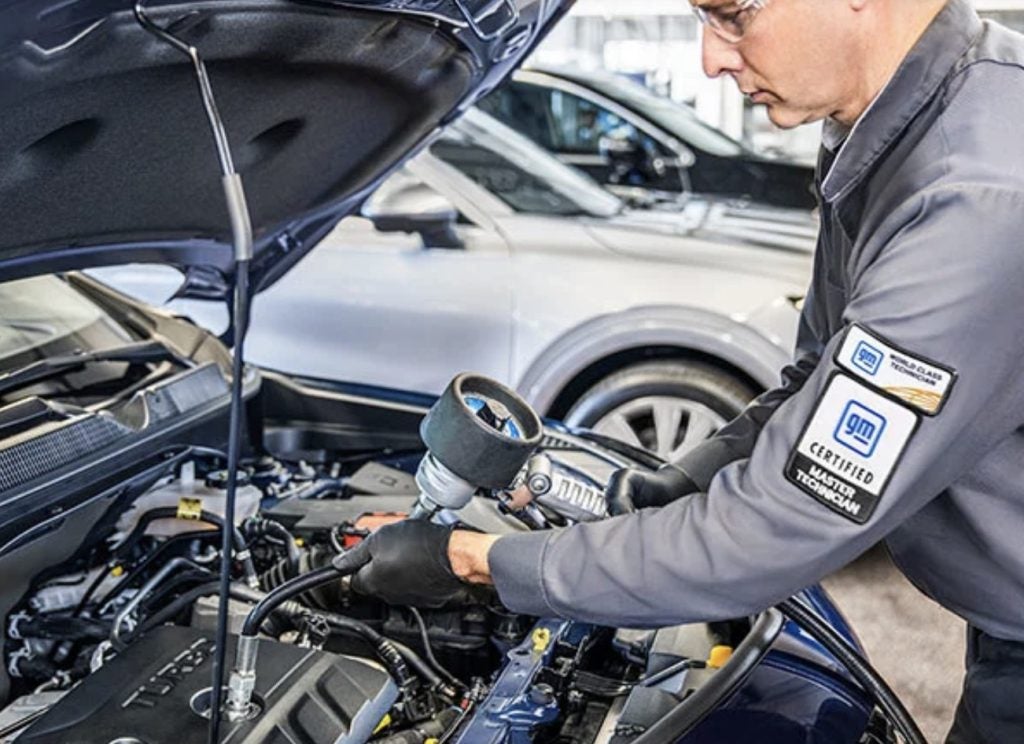
Hot Springs AR diesel mechanic auto repair dealership

Comprehensive Diesel Maintenance and Repair in Hot Springs

Maintaining a diesel engine requires a specialized approach that differs significantly from standard gasoline vehicle care. At Allen Tillery Chevrolet, Buick & GMC, our team understands that diesel owners often rely on their vehicles for heavy-duty towing, commercial work, or long-distance travel through the Ouachita Mountains. These high-torque engines are built for longevity, but their complex fuel and emissions systems demand precise technical attention to remain reliable. When you need expert care, you can easily find us at our Hot Springs service center located on Central Avenue. The diagnostic process for modern diesel trucks involves sophisticated software and specialized tools to monitor high-pressure common rail systems and exhaust after-treatment components. We focus on comprehensive health checks that cover everything from turbocharger vane response to the integrity of the Duramax or Cummins fuel injectors. If you notice a change in your engine's performance or a warning light on your dashboard, give our service advisors a quick call at (501) 881-4160 to discuss the symptoms before they lead to a more costly breakdown. Beyond engine internals, we provide full-vehicle support to ensure your truck can handle the rigors of Arkansas roads. This includes specialized brake service and repair designed for the heavy loads and heat generated by towing trailers through hilly terrain. Our technicians also manage high-wear components like water pumps, alternators, and glow plugs using factory-approved methods. To keep your maintenance on track, you can schedule a service appointment online for a time that fits your busy work week. For owners who prefer to handle minor maintenance themselves or need specific components for a project, our facility is a direct resource for factory-backed hardware. You can order genuine OEM parts through our department to ensure that every filter, seal, and sensor meets the exact specifications of your vehicle's manufacturer. Using the correct parts is the most effective way to protect your engine's warranty and its long-term resale value. Table of Contents The Critical Role of Fuel Filter Intervals for Diesel Performance Managing Thermal Loads and Cooling System Health in Arkansas Heat Identifying Common Diesel Engine Warning Signs and Diagnostic Solutions The Value of Certified Diesel Technicians and Genuine OEM Parts Common Questions Regarding Local Diesel Service and Maintenance The Critical Role of Fuel Filter Intervals for Diesel Performance Fuel filtration is arguably the most vital aspect of diesel engine longevity because the tolerances within modern fuel injectors are measured in microns. Contaminants or water in the fuel can cause catastrophic damage to the high-pressure fuel pump and injectors, leading to expensive repairs. Most manufacturers recommend replacing diesel fuel filters every 10,000 to 15,000 miles, though we often suggest more frequent intervals for trucks operating in dusty environments or those using high-biodiesel blends. If you are wondering whether your filter is reaching the end of its service life, watch for these specific performance indicators: The engine is increasingly difficult to start, especially when cold. You notice a sluggish response or a "flat spot" during hard acceleration. The vehicle idles roughly or stalls unexpectedly at intersections. There is a noticeable drop in your average fuel economy. When we perform a fuel filter service, we use components designed to remove 90% of particles that are 20 microns or larger. This level of filtration ensures a uniform fuel flow and prevents impurities from clogging the delicate spray patterns of your injectors. While your truck is in our bay for fuel system care, it is an excellent time to have our team perform a tire rotation to ensure even tread wear across your front and rear axles, which is particularly important for heavy-duty trucks that carry varying loads. In Hot Springs, the local humidity and temperature swings can sometimes lead to moisture accumulation in fuel tanks. Regularly draining the water-fuel separator and replacing filters on schedule prevents this moisture from reaching the combustion chamber. Proactive filter changes serve as a cost-effective safeguard against the high cost of fuel system overhauls. Managing Thermal Loads and Cooling System Health in Arkansas Heat Diesel engines are highly efficient, but they still reject a massive amount of energy as waste heat. These engines typically convert only about 30% to 35% of fuel energy into work, leaving the rest to be managed by the exhaust and cooling systems. In the intense summer heat of Hot Springs, your radiator and cooling fans must work significantly harder to dissipate this heat. High ambient temperatures increase the risk of overheating because the radiator has less "thermal headroom" to transfer heat away from the engine block. To prevent heat-related failures, we recommend a thorough cooling system inspection before the peak summer months arrive. This process includes: Testing the pH balance and freeze point of the coolant to ensure it still provides corrosion protection. Inspecting the radiator fins for debris or damage that could restrict airflow. Verifying the operation of the thermostat and the electronic cooling fans. Checking all hoses and clamps for signs of "softness," bulging, or leaks. Thermal stress doesn't just affect the coolant; it also accelerates the degradation of your engine oil. In climates where temperatures frequently climb, diesel specialists often recommend an oil change about every 5,000 miles, especially for vehicles used for frequent towing. This ensures the oil maintains its viscosity and continues to pull heat away from the turbocharger bearings and piston skirts. Neglecting the cooling system can lead to warped cylinder heads or blown head gaskets, which are among the most labor-intensive diesel repairs. By keeping your coolant clean, properly mixed, and at the correct level, you protect the engine against the extreme thermal loads found during a long climb into the mountains. If your reservoir is consistently low or you notice rust-colored fluid, it is a clear signal that the system requires a professional flush and pressure test. Identifying Common Diesel Engine Warning Signs and Diagnostic Solutions Recognizing the early warning signs of a diesel mechanical issue can be the difference between a simple sensor replacement and a total engine rebuild. One of the most common concerns for drivers in the region involves the emissions system, specifically the Diesel Particulate Filter (DPF). If your truck is frequently entering "limp mode" or showing a message about a full exhaust filter, it may be due to short-trip driving patterns that prevent the system from reaching the temperatures needed for a full regeneration cycle. Another critical check for high-mileage engines is the "blow-by" test. You can perform a basic check by removing the oil fill cap while the engine is running and setting it upside down over the opening. If the cap is physically blown off by internal pressure, it may indicate worn piston rings or other internal compression issues that require a professional teardown. Other symptoms to watch for include: Excessive black, blue, or white smoke from the exhaust tailpipe. A sudden loss of power under load, which often points to turbocharger or boost-leak issues. Persistent "hard starting" that doesn't improve after the glow plugs have cycled. Unusual knocking or "clattering" sounds that change with engine RPM. Our diagnostic approach uses factory-level scanning tools that can read deep-level fault codes and perform "contribution tests" on individual cylinders. This allows us to pinpoint a failing injector or a sticking EGR valve without unnecessary parts-swapping. We also monitor the Diesel Exhaust Fluid (DEF) system, as high heat can sometimes degrade the fluid's effectiveness or cause the dosing pump to fail, triggering an emissions-related speed limiter. The Value of Certified Diesel Technicians and Genuine OEM Parts Choosing where to take your diesel truck for repair is a decision that impacts the safety and reliability of your vehicle for years to come. While independent shops may offer various services, a dealership environment provides technicians who are specifically trained by the manufacturer on the latest Duramax, Power Stroke, and Cummins platforms. These experts have access to proprietary technical service bulletins and specialized software updates that are often unavailable to general repair shops. Using genuine OEM parts is equally important for maintaining the tight tolerances required by diesel engines. Aftermarket parts may look similar, but they often lack the exact metallurgical properties or filtration efficiency required by high-performance diesel systems. For example, a factory-spec water pump is designed to provide a specific flow rate that matches the engine's cooling requirements at maximum tow capacity—a standard that generic "will-fit" parts might not meet. Furthermore, repairs performed at our facility are backed by a manufacturer warranty that is honored at authorized centers across the country. This provides peace of mind for drivers who travel outside of Arkansas, knowing that if a part fails, they are covered. Our technicians also verify that your vehicle is up to date on all safety recalls and software calibrations during every visit, ensuring that your truck's computer is optimized for the best possible fuel efficiency and emissions performance. Common Questions Regarding Local Diesel Service and Maintenance Q: How can I find a reputable diesel mechanic in Hot Springs? The most reliable way to find an expert is to look for a facility with manufacturer-certified technicians and a dedicated diesel service department. At Allen Tillery Chevrolet, Buick & GMC, we employ specialists who focus exclusively on the complexities of diesel engines. You can find our address on Central Avenue and stop by to speak with our service team about your specific truck's needs. Q: Is a diesel truck a good choice for short commutes around town? Diesel engines are generally at their best when they can reach and maintain high operating temperatures over long distances. If you primarily drive short distances in Malvern, your engine may struggle to complete the DPF regeneration process, leading to soot buildup and potential emissions issues. We recommend taking your diesel on a highway trip at least once a week to allow the exhaust system to clean itself properly. Q: How often should I change my fuel filters in this region? While many manuals suggest a 15,000-mile interval, the dusty conditions and high humidity in Arkansas often make a 10,000-mile change more appropriate. Clean fuel is the single most important factor in preventing injector failure. If you have questions about the specific interval for your model year, you can reach our service advisors with a quick call at (501) 881-4160 for personalized guidance. Q: Do I need to use special additives in my diesel fuel? Most modern diesel engines are designed to run on standard Ultra-Low Sulfur Diesel (ULSD) without extra additives. However, during extreme temperature shifts or if you suspect low-quality fuel, a lubricity enhancer or a cold-weather anti-gel additive can provide extra protection for your high-pressure fuel pump. We recommend using only manufacturer-approved additives to avoid interfering with the emissions system. Q: What should I do if my truck starts blowing excessive black smoke? Black smoke is usually a sign of an "over-rich" condition, meaning there is too much fuel or not enough air in the combustion chamber. This can be caused by a dirty air filter, a failing turbocharger, or a sticking fuel injector. Since this can lead to rapid soot buildup in your DPF, you should have it diagnosed by a professional as soon as possible to prevent a more expensive exhaust repair. To ensure your diesel truck remains in peak condition for your next job or weekend trip, the most effective step you can take is to keep up with professional maintenance. Our team is ready to help you manage your service intervals and address any performance concerns. We invite you to schedule your next diesel service with us today so we can help you get the most out of your vehicle's performance and longevity. © 2026 Allen Tillery Buick & GMC. All rights reserved.

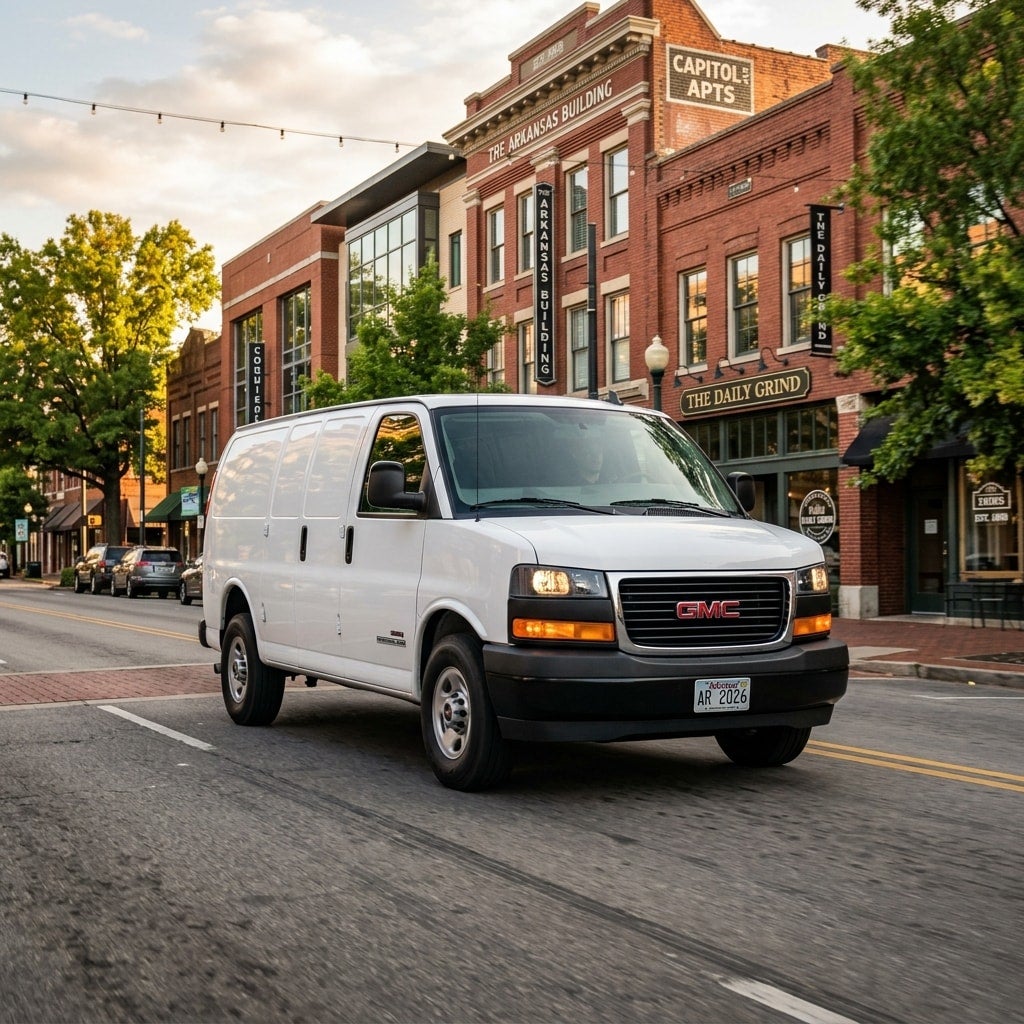
white 2026 GMC Savana Cargo Van delivering in downtown hot springs ar

Commercial Fleet 2026 GMC Savana Cargo Van: Towing, Cargo Dimensions and Tax Incentives

Unlocking Commercial Productivity with the 2026 GMC Savana Cargo Van The 2026 GMC Savana Cargo Van remains a foundational tool for industries that require a proven, body-on-frame architecture to handle heavy-duty workloads. While many modern vans have shifted toward unibody designs, the Savana continues to offer the structural rigidity necessary for massive payloads and specialized upfitting. For businesses operating near the government centers and expanding urban districts of Little Rock, this van provides a dependable platform for HVAC, plumbing, and delivery fleets that need to navigate a mix of historic streets and modern job sites. These professionals require a mobile workshop that performs without hesitation every morning. Every 2026 model comes equipped with a 4.3L V6 engine as the standard powertrain, delivering 276 horsepower and 298 lb-ft of torque. This configuration is engineered for efficiency and durability in stop-and-go traffic, providing ample low-end grunt to move a fully loaded cabin through city intersections. For those ready to see how this powertrain handles a full load, we invite you to visit our showroom on Central Ave to explore the current lineup. If you have specific questions about fleet availability or the latest model year updates, feel free to give us a quick call at (501) 881-4160 to speak with a commercial specialist. Table of Contents Engine Performance and Heavy Duty Towing Capabilities Interior Dimensions and Cargo Configuration for Arkansas Businesses Fleet Pricing and Commercial Financing Strategies at Allen Tillery Maximizing Business Value with Section 179 and Tax Incentives Common Questions About the 2026 GMC Savana Commercial Lineup Start Your Fleet Upgrade at Allen Tillery Chevrolet, Buick & GMC Engine Performance and Heavy Duty Towing Capabilities The decision between the standard V6 and the available V8 often comes down to the specific weight of the equipment or trailers your business moves daily. The available 6.6L V8 engine significantly increases output to 401 horsepower and 464 lb-ft of torque, making it the preferred choice for heavy-duty hauling. This engine allows the 2026 GMC Savana to reach a maximum towing capacity of 10,000 pounds when properly equipped. This level of strength is particularly valuable for contractors managing the 30-mile commute along I-30 from Bryant, where merging into highway traffic with a heavy trailer requires the consistent power delivery of a large-displacement V8. Beyond raw towing, the Savana is available in both 2500 and 3500 weight classes. The 3500 series is designed for the most demanding applications, offering a higher Gross Vehicle Weight Rating (GVWR) to support heavier internal upfits or dense cargo like masonry supplies and heavy machinery parts. Because these vans are built on a ladder-frame chassis, they maintain their composure under load, whereas unibody competitors often face lower maximum payload limits. For businesses looking to expand their fleet while managing overhead, browsing our current used-vehicle inventory can often reveal late-model work vans that offer similar capabilities at a different price point. Interior Dimensions and Cargo Configuration for Arkansas Businesses Maximizing the utility of a cargo van requires a layout that can accommodate everything from standard plywood sheets to custom shelving units. The 2026 GMC Savana is offered in two different wheelbase lengths to suit varying volume requirements. The regular-wheelbase model provides about 239 cubic feet of cargo space, while the extended-wheelbase version increases that capacity to roughly 283 cubic feet. This extra length is essential for businesses that need to transport long pipes or ladders internally to keep them secured and out of the elements. Accessing that space is made easier by the choice of door configurations. The Savana features standard rear swing-out doors that open wide for pallet loading, and buyers can choose between a sliding passenger-side door or traditional 60/40 split swing-out doors. The flat load floor and near-vertical side walls make it an ideal candidate for professional upfitting, allowing for the installation of bins, racks, and workbenches. Long-term durability is a hallmark of this design, and keeping your fleet in top condition starts with routine maintenance like a professional tire rotation to ensure even tread wear across all four corners of these heavy-duty vehicles. Fleet Pricing and Commercial Financing Strategies at Allen Tillery When I walk commercial buyers through the acquisition process, the conversation usually starts with how to scale a fleet efficiently without tying up too much liquid capital. GMC continues to prioritize the Savana for fleet and commercial buyers, and we offer specialized pricing structures for businesses purchasing multiple units. Whether you are a small business owner looking for your first dedicated work van or a fleet manager overseeing dozens of vehicles, we can tailor a purchase plan that aligns with your annual budget and tax requirements. The financing process for a commercial vehicle differs slightly from a standard retail purchase, as lenders often look at the business's credit profile and the intended use of the vehicle. To save time at the dealership, we recommend prequalifying online through our secure portal. This allows our finance team to begin shopping for competitive rates before you even arrive for a test drive. Maintaining the value of your investment is also critical for your bottom line; ensuring your drivers stay on top of regular brake service and other safety checks helps prevent costly downtime and preserves the resale value of your fleet. Maximizing Business Value with Section 179 and Tax Incentives Arkansas business owners can utilize specific tax advantages when investing in heavy equipment and vehicles for the 2026 tax year. Under Section 179 of the Internal Revenue Code, many businesses can deduct the full purchase price of a new or used GMC Savana in the year it is placed into service, rather than depreciating it over several years. For 2026, the maximum deduction limit has been set at $2,560,000, which can provide a boost to cash flow for growing companies. Because the Savana 2500 and 3500 models typically exceed the 6,000-pound GVWR threshold, they often qualify for the full deduction rather than the limited caps placed on smaller passenger vehicles. Strategic purchasing at the end of the fiscal year can help reduce your overall tax liability while upgrading your operational capacity. It is important to consult with a tax professional to confirm how these federal incentives apply to your specific business structure in Arkansas. Beyond the initial purchase, keeping your fleet running efficiently is the best way to protect your margins. Simple, consistent maintenance like finding a reliable oil change near you ensures that your Savana remains on the road and out of the shop, maximizing the return on your investment for years to come. Common Questions About the 2026 GMC Savana Commercial Lineup Q: Does the 2026 GMC Savana come with any standard driver-assistance technology? Every 2026 Savana Cargo Van includes a standard rear vision camera as part of its base equipment package. This feature is integrated into the rearview mirror or an available infotainment screen, providing a clear view of the area directly behind the van. This is particularly helpful when backing into tight loading docks or navigating busy jobsites where visibility can otherwise be limited by the van's solid rear panels. Q: Can I charge power tools inside the van while driving between jobs? Yes, the 2026 Savana can be equipped with a 120-volt power outlet located on the dashboard. This allows your crew to charge cordless tool batteries, laptops, or other electronic devices while in transit. Having this power source readily available helps ensure that your team arrives at the jobsite with fully charged equipment, reducing the need for external generators or searching for on-site power. Q: Is there a built-in solution for managing heavy trailers? For businesses that frequently tow, an integrated trailer brake controller is available as an option on both the 2500 and 3500 models. This system allows the driver to adjust the amount of brake pressure applied to the trailer's electric brakes directly from the cabin. It works in tandem with the van's braking system to provide smoother, more controlled stops, which is essential when hauling near the 10,000 pounds maximum towing limit. Q: How does the GMC Savana compare to the Chevrolet Express? The GMC Savana and the Chevrolet Express are mechanical twins, sharing the same chassis, engine options, and interior dimensions. The primary differences lie in the branding and the specific trim packages available through each manufacturer's commercial network. At our dealership, we can help you compare the available new-vehicle inventory to see which specific configuration currently on the lot best meets your immediate business needs. Start Your Fleet Upgrade at Allen Tillery Chevrolet, Buick & GMC Choosing the right commercial vehicle is a decision that impacts your daily efficiency and long-term profitability. The 2026 GMC Savana Cargo Van offers the no-nonsense capability and rugged construction that Arkansas businesses have relied on for decades. Whether you need the high-torque performance of the 6.6L V8 or the massive volume of the extended-wheelbase configuration, our team is here to help you find the perfect fit for your specific trade. We invite you to visit our Hot Springs location to see these vans in person and discuss how we can support your business growth. Our commercial specialists can walk you through the latest fleet incentives and help you navigate the financing process to get your new van on the road as quickly as possible. For immediate assistance or to check on the arrival of specific 2026 configurations, please reach out to our team at (501) 881-4160. Keep Your Vehicle Running Strong Keep your vehicle performing at its best with our service team: Schedule Service Order Parts © 2026 Allen Tillery Chevrolet, Buick & GMC. All rights reserved.