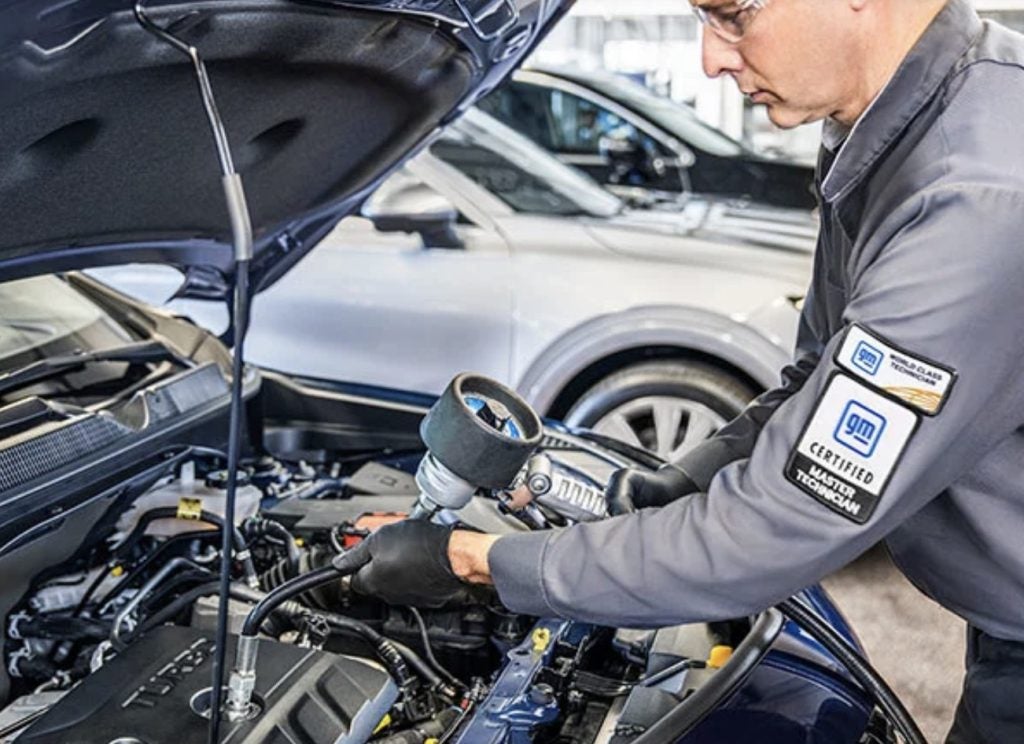



Why Regular GMC Service and Auto Repair Matters for Hot Springs Drivers
For drivers in Hot Springs, AR, maintaining a GMC vehicle through regular service and timely auto repairs is essential for ensuring safety, reliability, and long-term value. Whether navigating the urban streets of downtown Hot Springs or venturing onto the scenic backroads surrounding the city, a GMC’s performance depends heavily on diligent upkeep. This section explores why consistent service is critical for GMC owners, highlighting the specific benefits and practical considerations that Hot Springs drivers should understand.
Regular maintenance and repair are foundational to preserving the integrity and efficiency of GMC vehicles, especially models like the 2026 GMC Sierra 1500, which blend rugged capability with advanced technology. Routine service not only addresses wear and tear but also helps prevent minor issues from escalating into costly repairs. For example, timely oil changes ensure proper engine lubrication, reducing friction and heat buildup that can severely damage engine components. Similarly, scheduled brake inspections and replacements maintain stopping power, a vital safety aspect on the varied terrain and weather conditions typical of Hot Springs.
One of the primary reasons regular GMC service is indispensable is its direct impact on vehicle safety. Hot Springs drivers often encounter diverse driving environments—from congested city traffic to rural roads with occasional rough patches—making it crucial to have reliable braking, steering, and suspension systems. Service visits include comprehensive checks of these systems, identifying worn brake pads, tire conditions, or suspension issues before they compromise control or lead to accidents. Moreover, preventative maintenance extends to critical safety features such as airbags and electronic stability control, ensuring they function correctly when needed.
Beyond safety, regular service significantly enhances vehicle reliability and performance. GMC trucks and SUVs are engineered for durability, but neglecting routine care can lead to decreased fuel efficiency, sluggish acceleration, or unexpected breakdowns. For instance, clogged air filters or dirty fuel injectors can reduce engine power and increase emissions, while poorly maintained tires affect traction and handling. In Hot Springs, where weather can shift quickly and roads vary from smooth highways to hilly backroads, a well-maintained GMC is better equipped to deliver consistent, dependable performance.
Long-term cost savings are another compelling reason for Hot Springs GMC owners to adhere to scheduled maintenance and address repair needs promptly. While some may consider deferring service to save money in the short term, this approach often results in more severe damage and expensive repairs down the road. Regular inspections allow technicians to spot early signs of wear—such as leaks, worn belts, or deteriorated fluids—and correct them before they cause system failures. Additionally, maintaining warranty coverage through authorized service centers protects owners from out-of-pocket expenses for repairs related to manufacturing defects or component failures.
For residents of Hot Springs, choosing a trusted service provider like a GMC dealership ensures that maintenance and repairs are performed with genuine parts and factory-trained technicians familiar with the brand’s specific engineering. This expertise translates into precise diagnostics and repairs tailored to the vehicle model, preserving its performance and resale value. Using original parts maintains compatibility and reliability, whereas aftermarket alternatives may not meet manufacturer standards, potentially affecting vehicle longevity.
Environmental considerations also play a role in the importance of regular GMC service. Proper maintenance helps optimize fuel economy and reduce emissions, contributing to cleaner air quality in Hot Springs and surrounding communities. Routine services such as emission system checks and timely oil changes ensure that the vehicle operates within regulatory standards, minimizing its environmental footprint. This is especially relevant as Arkansas continues to prioritize sustainability and compliance with environmental regulations.
Moreover, regular service visits provide an opportunity for drivers to stay informed about their vehicle’s condition and upcoming maintenance needs. Technicians can offer detailed reports and advice, helping drivers plan for necessary services such as tire rotations, brake repairs, or fluid replacements. This proactive communication supports better budgeting and prevents unexpected service interruptions. For busy Hot Springs drivers balancing work and family life, this guidance is invaluable for maintaining vehicle health without disruption.
In summary, regular GMC service and auto repair are vital for Hot Springs drivers aiming to maximize safety, reliability, and value from their vehicles. Adhering to manufacturer-recommended maintenance schedules prevents costly breakdowns, ensures optimal performance across diverse driving conditions, and upholds warranty protections. By partnering with expert service professionals and prioritizing timely care, GMC owners can confidently navigate Hot Springs and beyond while preserving the longevity and enjoyment of their vehicles.
Table of Contents
- Understanding the 2026 GMC Sierra 1500 Maintenance Schedule: Key Intervals and Tasks
- What to Expect During a 45,000-Mile GMC Service Visit: Comprehensive Inspection and Maintenance
- Cost Breakdown of GMC Oil Changes in Hot Springs, AR: What Drivers Should Know
- Choosing Between GMC Dealership Service and Independent Mechanics in Hot Springs
- Insights into the 2026 GMC Limited Warranty: Coverage Details and Benefits
- Proactive Strategies to Avoid Costly GMC Repairs: Maintenance Tips and Best Practices
- Detailed Guide to GMC Sierra Service Intervals: Keeping Your Truck Performing at Its Best
Understanding the 2026 GMC Sierra 1500 Maintenance Schedule: Key Intervals and Tasks
The 2026 GMC Sierra 1500 is engineered to deliver remarkable performance, durability, and reliability for drivers in Hot Springs, AR, and surrounding communities. To ensure your Sierra 1500 sustains its peak condition and longevity, adhering to the manufacturer’s recommended maintenance schedule is essential. This schedule outlines specific service intervals and tasks designed to prevent wear-related issues, improve safety, and maintain optimal vehicle operation under various driving conditions common in the region.
GMC’s maintenance program is meticulously crafted based on extensive testing and real-world data to address the unique needs of the Sierra 1500’s advanced powertrain, chassis, and electronic systems. Understanding these key intervals and the tasks involved helps owners in Hot Springs and nearby locales like Bryant and Arkadelphia stay ahead of potential mechanical problems, reducing unexpected repair costs and vehicle downtime.
Overview of the Maintenance Schedule Framework
The maintenance schedule for the 2026 GMC Sierra 1500 follows a logical progression of service visits primarily tied to mileage milestones and time intervals. These intervals range from initial inspections and fluid replacements at lower mileages to more comprehensive system checks and component replacements as the vehicle accumulates mileage. The schedule is designed to accommodate typical driving patterns in Hot Springs, which may include city commuting, highway travel, and occasional towing or hauling tasks frequently encountered by GMC owners in the area.
The primary service milestones generally include checks and maintenance at:
- 7,500 miles
- 15,000 miles
- 22,500 miles
- 30,000 miles
- 37,500 miles
- 45,000 miles
- 52,500 miles
- 60,000 miles
Each interval involves specific inspections and replacements tailored to the truck’s wear cycles and operational demands.
Essential Maintenance Tasks at Early Intervals (7,500 to 22,500 Miles)
At the earliest stages of ownership, routine maintenance focuses on establishing a solid foundation for ongoing vehicle health. The 7,500-mile service usually encompasses an oil and filter change, inspection of tire condition and pressure, and checks of fluid levels including brake, transmission, coolant, and windshield washer fluids. This early service is crucial for Hot Springs drivers who may face hot summers and variable weather patterns that stress engine cooling and tire performance.
The 15,000-mile interval builds upon this by including a more detailed multi-point inspection. This involves examining the brake system for wear on pads and rotors, inspecting suspension components for any signs of damage or misalignment, and assessing the condition of belts and hoses under the hood. Additionally, the air filter is typically evaluated or replaced to maintain efficient engine breathing, contributing to fuel economy and emissions control.
By 22,500 miles, the Sierra 1500 service expands to include transmission fluid inspection or replacement, depending on the driving conditions. For drivers in areas like Hot Springs Village, who might tow trailers or engage in heavier duty usage, this service is particularly important to ensure smooth shifting and transmission longevity. The cabin air filter is also checked and replaced as necessary to maintain interior air quality, especially important during Arkansas’s pollen seasons.
Mid-Range Service Milestones (30,000 to 45,000 Miles)
The 30,000-mile service visit is a significant checkpoint that involves a comprehensive suite of maintenance tasks. Oil and filter replacement remains a cornerstone, but this interval also mandates the replacement of the fuel filter and spark plugs. Spark plug replacement is critical for maintaining proper engine combustion and performance, ensuring the Sierra 1500 runs smoothly and efficiently on both city streets and highways around Hot Springs.
Suspension and steering system components receive thorough inspection, with attention paid to ball joints, tie rods, and shock absorbers. This is vital for drivers navigating Arkansas’s diverse terrains, from suburban streets in Bryant to more rugged, uneven roads near Malvern. At this stage, brake fluid is typically flushed and replaced to maintain optimal braking responsiveness and safety.
The 37,500-mile visit combines many of the previously mentioned checks with an inspection of the exhaust system and underbody for corrosion or damage—a consideration especially relevant for drivers in Hot Springs who encounter wet conditions or road salt during winter months. The differential fluid might also be evaluated or changed, depending on the drivetrain configuration and usage.
The 45,000-Mile Service: An In-Depth Examination
At 45,000 miles, the maintenance schedule calls for an extensive inspection and servicing process. This includes all standard oil and filter changes but also involves a detailed evaluation of the engine’s timing components, including the timing belt or chain condition. While the 2026 Sierra 1500 may feature a timing chain designed for extended life, the inspection ensures no early wear or tension issues are present.
Brake components are carefully examined, with replacement of friction materials if necessary, along with a brake system flush. The cooling system undergoes a coolant replacement to protect the engine against overheating and corrosion, an important consideration for Hot Springs drivers dealing with hot summer temperatures and occasional long-distance towing.
The transmission fluid is replaced if not done earlier, and the transfer case fluid is inspected or changed for four-wheel-drive models common among GMC owners in the region. Tire rotation and wheel alignment checks are also part of this service interval to maintain even tire wear and handling stability.
Long-Term Maintenance Considerations (52,500 to 60,000 Miles and Beyond)
Approaching the 60,000-mile mark, the Sierra 1500’s maintenance schedule focuses on replacing major wear items that directly impact engine performance and reliability. This includes a thorough inspection and possible replacement of the serpentine belt, water pump, and other accessory drive components. The spark plugs and air filters are replaced again to uphold engine efficiency and emissions standards.
Comprehensive system diagnostics are performed using GMC’s advanced onboard technology, which can detect early signs of electronic or mechanical issues before they become serious. This proactive approach is especially valuable for Sierra owners in Hot Springs and surrounding areas, providing peace of mind and helping avoid costly repairs.
Special Maintenance Tasks for Hot Springs Drivers
Drivers in Hot Springs, AR, and nearby communities such as Benton and White Hall often encounter unique driving conditions that affect maintenance needs. For example, frequent towing of trailers or boats on nearby lakes, stop-and-go traffic in downtown areas, and exposure to seasonal weather extremes require more vigilant upkeep.
GMC recommends that owners who frequently tow or engage in heavy-duty use follow a more aggressive maintenance schedule, with some fluid changes and inspections occurring at shorter intervals. Monitoring tire condition and brake wear is particularly important due to the added stress these activities place on the vehicle.
Scheduling Your Maintenance at Allen Tillery Chevrolet, Buick & GMC
To help maintain your 2026 GMC Sierra 1500 in optimal shape, Allen Tillery Chevrolet, Buick & GMC offers expert service at Get Directions to Allen Tillery Chevrolet, Buick & GMC. You can also Call us at (501) 881-4160 to schedule your appointment or inquire about specific maintenance services.
What to Expect During a 45,000-Mile GMC Service Visit: Comprehensive Inspection and Maintenance
When your 2026 GMC Sierra 1500 reaches the 45,000-mile mark, it’s an important milestone that requires a thorough service visit to maintain optimal performance, safety, and longevity. At this interval, the vehicle undergoes a more detailed inspection and maintenance routine than the more frequent oil changes or tire rotations. For drivers in Hot Springs and nearby areas, understanding what this comprehensive service involves can help you prepare, anticipate costs, and ensure your truck continues to deliver the reliability you expect from GMC.
Purpose of the 45,000-Mile Service
This service is designed to address wear and tear that naturally accumulates as your vehicle covers significant mileage. It balances preventive maintenance with system diagnostics, aiming to identify potential issues before they become costly repairs. The 45,000-mile checkup is crucial for preserving engine efficiency, braking performance, suspension integrity, and overall drivability, especially for trucks like the Sierra 1500 that are often used in demanding conditions typical of Arkansas roads and work sites.
Detailed Vehicle Inspection
One of the core elements of the 45,000-mile GMC service is a multi-point inspection covering all critical components. This is far more extensive than routine checks, reflecting the truck’s accumulated mileage and the need for precision in maintenance. Key inspection items include:
Engine and Transmission Systems: Technicians check engine performance, fluid levels, and condition. Transmission fluid is inspected for contamination or degradation, and a change may be recommended depending on manufacturer guidelines and vehicle use.
Brake System: A complete brake inspection is performed, assessing brake pads, rotors, calipers, and brake fluid levels. Brake components are examined for wear and corrosion, ensuring your braking system remains responsive and safe.
Suspension and Steering: The service includes checking shocks, struts, ball joints, and tie rods for signs of wear or damage. Proper suspension is essential for maintaining vehicle stability, particularly on uneven or rural roads around Hot Springs Village.
Tires and Wheels: Tires are evaluated for tread depth, uneven wear, and damage. Wheel alignment and balance may be checked to prevent premature tire wear and ensure smooth handling on Arkansas highways.
Exhaust and Emissions: The exhaust system is inspected for leaks, rust, or damage that could affect emissions or vehicle noise. This step helps keep your Sierra compliant with environmental standards and reduces pollution.
Battery and Electrical Systems: Battery condition and charging systems are tested to avoid unexpected failures. Electrical components such as lights, sensors, and warning systems are also evaluated to ensure proper functionality.
Fluid Replacements and Adjustments
The 45,000-mile service often includes essential fluid changes that extend the life of your vehicle’s systems and improve performance:
Engine Oil and Filter Change: While oil changes occur more frequently, this service includes a fresh oil and filter replacement using manufacturer-recommended synthetic oils to protect engine components.
Transmission Fluid Change: Depending on your driving habits and specific Sierra 1500 model, transmission fluid replacement may be necessary to maintain smooth shifting and prevent transmission wear.
Brake Fluid Exchange: Brake fluid absorbs moisture over time, which can reduce braking efficiency. Fresh fluid improves safety and system longevity.
Coolant Flush: Engine coolant degrades with use, and flushing the system at this milestone helps prevent overheating and corrosion inside the radiator and engine block.
Differential and Transfer Case Fluids: For four-wheel-drive models, the fluids in the differential and transfer case are inspected and replaced if needed to maintain proper drivetrain function.
System Diagnostics and Updates
Modern GMC vehicles like the Sierra 1500 are equipped with advanced onboard computers that monitor performance and alert drivers to potential issues. During the 45,000-mile service, technicians connect diagnostic tools to read fault codes and assess system health. This process can uncover hidden problems ranging from engine misfires to sensor malfunctions, enabling prompt repairs.
Additionally, the service visit may include software updates to the vehicle’s electronic control units. These updates optimize engine management, fuel efficiency, and safety features. Staying current with the latest software ensures your Sierra 1500 benefits from ongoing manufacturer improvements.
Additional Checks and Adjustments
The comprehensive service also covers a range of smaller but vital maintenance tasks:
Air Filter Replacement: Engine and cabin air filters are replaced to ensure clean air intake and interior air quality, especially important for drivers frequently exposed to dust and pollen in Hot Springs and surrounding rural areas.
Wiper Blade Inspection: Wiper blades are checked and replaced if worn to maintain clear visibility during Arkansas’s rainy seasons.
Lighting and Safety Equipment: Headlights, brake lights, turn signals, and interior lights are tested, with bulbs replaced as necessary to maintain safety and legal compliance.
Belts and Hoses: Drive belts and coolant hoses are inspected for cracks, wear, or leaks. Early replacement avoids breakdowns and engine damage.
Battery Terminals and Cables: These are cleaned and tightened to prevent electrical issues.
Why Choose Certified GMC Service for Your 45,000-Mile Visit?
Opting for service at an authorized GMC dealership in Hot Springs, like Allen Tillery Chevrolet, Buick & GMC located at 4573 Central Ave, Hot Springs, AR 71913, ensures your vehicle receives expert care using genuine parts and the latest diagnostic equipment. You can schedule service conveniently online and trust that your Sierra 1500 will be maintained to GMC’s highest standards.
Cost Breakdown of GMC Oil Changes in Hot Springs, AR: What Drivers Should Know
Keeping your GMC vehicle in optimal condition requires regular oil changes, a fundamental maintenance service that ensures engine longevity and peak performance. For drivers in Hot Springs, AR, understanding the cost components of a GMC oil change helps in budgeting and appreciating the value of professional service. This section provides an in-depth look at the factors influencing oil change costs for GMC vehicles, the benefits of dealership service, and practical advice tailored to Hot Springs drivers.
Why Oil Changes Are Essential for GMC Vehicles
Oil in GMC engines plays a crucial role in lubricating moving parts, reducing friction, dissipating heat, and preventing wear. Over time, oil degrades and accumulates contaminants, making regular replacement vital to avoid engine damage and maintain efficiency. Neglecting oil changes can lead to decreased fuel economy, engine overheating, and costly repairs—issues especially critical for GMC trucks and SUVs that often endure heavy-duty use in Hot Springs and surrounding areas.
Typical Cost Components of a GMC Oil Change
The price of an oil change for a GMC vehicle involves several elements:
- Type of Oil Used: Synthetic oil is commonly recommended for GMC models due to its superior performance, longevity, and protection against engine deposits. Synthetic oil changes generally cost more than conventional oil changes but provide better value through extended intervals and enhanced engine care.
- Oil Quantity: Larger engines found in GMC trucks like the Sierra 1500 or Yukon often require more oil, increasing the total cost. For instance, a full-size pickup’s oil change may use 6 to 8 quarts, whereas smaller GMC SUVs might need less.
- Oil Filter Quality: Genuine GM oil filters designed specifically for GMC engines ensure optimal filtration and flow, contributing to engine health. Using OEM filters during service at authorized dealerships is a key factor in pricing.
- Labor Charges: Professional installation by certified technicians at GMC dealerships involves labor costs reflecting expertise, precision, and use of factory-approved procedures. Labor fees can vary based on service center rates and complexity.
- Additional Services: Many oil changes at dealerships include complimentary inspections of fluids, filters, and tire pressure, adding value beyond the oil replacement itself.
Estimated Price Range for GMC Oil Changes in Hot Springs
In Hot Springs, AR, the cost for a GMC oil change typically ranges between $60 and $120, depending on the factors outlined above. Synthetic oil changes on larger GMC models such as the Sierra 1500 or Acadia often hover at the higher end of this spectrum, while conventional oil changes or smaller vehicles may be closer to the lower end. It’s important to recognize that dealership services might seem pricier than independent shops but include genuine parts and trained technicians specialized in GMC vehicles.
Comparison with Independent Mechanics
While some drivers consider independent mechanics for oil changes due to perceived lower prices, GMC dealership service offers distinct advantages:
- Manufacturer Expertise: Dealership technicians receive ongoing training focused on GMC models, ensuring service aligns with manufacturer standards and preserves warranty coverage.
- Genuine Parts and Fluids: Only authentic GM parts and approved oils are used, reducing risks of premature engine wear or system failures.
- Comprehensive Vehicle Checks: Dealership oil changes often include multi-point inspections that can identify emerging issues early, an added value for Hot Springs drivers navigating diverse road conditions.
Scheduling and Service Convenience at Dealerships
For residents of Hot Springs and nearby communities, scheduling an oil change at a trusted GMC dealership is straightforward and efficient. Authorized service centers provide online appointment booking, transparent pricing, and clear communication throughout the process. This convenience helps minimize downtime, allowing drivers to get back on the road quickly. Consider using the Schedule Service page to book your appointment.
When to Schedule Your GMC Oil Change
Adhering to the manufacturer’s recommended maintenance schedule is critical. For many 2026 GMC models, oil change intervals range between 7,500 and 10,000 miles when using synthetic oil, but this can vary based on driving conditions. For example, frequent towing, stop-and-go traffic, or dusty roads common around Hot Springs might necessitate more frequent oil changes to maintain engine health.
Additional Maintenance Services to Consider
While scheduling your oil change, consider pairing it with related maintenance such as tire rotations and brake inspections. Routine tire rotations help extend tire life and improve handling, which is especially important
Choosing Between GMC Dealership Service and Independent Mechanics in Hot Springs
When it comes to maintaining your GMC vehicle in Hot Springs, AR, deciding between servicing at a GMC dealership or an independent mechanic is a critical choice that affects your vehicle’s performance, longevity, and warranty coverage. Both options present distinct advantages, but for GMC owners seeking the best care for their vehicles, especially the 2026 models like the Sierra 1500, understanding these differences will help make an informed decision tailored to your needs.
Expertise and Manufacturer-Specific Knowledge
GMC dealerships, such as Allen Tillery Chevrolet, Buick & GMC located at 4573 Central Ave, Hot Springs, AR 71913, offer technicians who receive continuous manufacturer training. They specialize in GMC vehicles and stay updated on the latest service bulletins, recalls, and technical updates. This specialized knowledge ensures that your 2026 GMC Sierra 1500 or other GMC models receive precision care aligned with manufacturer standards.
Independent mechanics, while often knowledgeable about general automotive repairs, may lack access to the latest GMC-specific diagnostics and training. For Hot Springs drivers who want the most reliable and accurate service, dealership technicians can provide a level of expertise that translates into better diagnostics and repairs that preserve your vehicle’s integrity.
Access to Genuine GMC Parts and Specialized Equipment
A key advantage of servicing at a GMC dealership is guaranteed access to genuine OEM parts designed exclusively for your vehicle. Allen Tillery’s Parts Department stocks authentic GMC components, ensuring replacements fit perfectly and maintain factory performance. Using genuine parts reduces risks of premature wear and potential malfunction, which can be more common with aftermarket alternatives.
Dealership service centers are also equipped with the latest diagnostic tools and equipment calibrated specifically for GMC vehicles. This advanced technology enables accurate fault detection and efficient repairs, critical for the complex systems in modern GMC trucks and SUVs.
Independent repair shops may use aftermarket parts or generic diagnostic tools, which can vary in quality and compatibility. While some independent mechanics offer high-quality parts and services, the consistency and warranty coverage on parts may not match the standards upheld by GMC dealerships.
Warranty Protection and Manufacturer Incentives
Maintaining your GMC Sierra 1500 or other 2026 GMC models at an authorized dealership is essential to preserving your factory warranty. Allen Tillery Chevrolet, Buick & GMC’s service department ensures all repairs and maintenance meet GMC’s warranty requirements, protecting your investment.
Independent mechanics, while often less expensive, may inadvertently void parts of your warranty if non-genuine parts are used or if maintenance does not follow manufacturer guidelines. For Hot Springs owners, this potential risk could lead to costly repairs down the line that might otherwise be covered.
Additionally, dealerships frequently offer manufacturer-backed incentives such as complimentary maintenance visits or service discounts exclusive to GMC customers. Leveraging these can result in substantial savings and added convenience.
Comprehensive Service Offerings and Convenience
GMC dealerships provide a broad spectrum of services beyond routine maintenance, including complex repairs, recall work, software updates, and specialized services like tire rotations and brake repairs. At Allen Tillery, the service experience is designed to be customer-centric, offering amenities such as shuttle service, comfortable waiting areas, and online scheduling.
Independent mechanics may excel in personalized service and lower labor rates, often providing flexible scheduling and faster turnaround times for minor repairs. However, their capacity to handle advanced diagnostics or warranty-covered repairs might be limited compared to dealership service centers.
Cost Considerations: Balancing Price and Value
It is common for independent mechanics to offer lower labor rates and potentially reduced costs on certain repairs, appealing to budget-conscious drivers in Hot Springs and surrounding areas like Benton or Malvern. However, the savings should be weighed against the benefits of dealership service, including the use of genuine parts, warranty protection, and specialized expertise.
GMC dealerships like Allen Tillery also provide transparent pricing and detailed service explanations, ensuring customers understand the scope and necessity of recommended repairs. Their technicians use manufacturer-approved procedures that may extend your vehicle’s lifespan and prevent recurring issues, potentially saving money in the long term.
Trust and Service Quality: Building Long-Term Relationships
Choosing a trusted service provider is vital for maintaining your GMC vehicle’s performance. Dealerships build reputations through consistent quality and manufacturer support, often backed by consumer reviews and brand loyalty. Allen Tillery’s team in Hot Springs is known
Insights into the 2026 GMC Limited Warranty: Coverage Details and Benefits
For drivers in Hot Springs, AR, investing in a 2026 GMC vehicle comes with the confidence of robust warranty coverage designed to protect your investment and provide peace of mind. The 2026 GMC Limited Warranty offers comprehensive protection that covers key components and ensures access to authorized service centers, including expert repair and maintenance support at dealerships like 4573 Central Ave, Hot Springs, AR 71913. Understanding the specifics of this warranty can help you maximize your ownership experience and plan for maintenance and repairs effectively.
Core Coverage Periods
The 2026 GMC Limited Warranty includes a basic limited warranty that extends for 3 years or 36,000 miles, whichever comes first. This coverage protects against defects in materials and workmanship across most components of the vehicle, excluding normal wear and tear items. This means that if any covered part fails due to manufacturing issues, GMC will repair or replace it at no cost to you, provided the vehicle is properly maintained.
Complementing the basic warranty is the powertrain limited warranty, which extends coverage to 5 years or 60,000 miles. This powertrain coverage focuses specifically on vital components such as the engine, transmission, and drive axles. Given the importance of these systems to daily operation and vehicle performance, this extended warranty period offers significant reassurance, especially for drivers in Hot Springs and nearby areas who rely on their GMC vehicles for towing, hauling, or heavy-duty tasks.
Corrosion Protection and Roadside Assistance
In addition to mechanical coverage, the warranty includes corrosion protection that covers rust-through issues for up to 6 years or 100,000 miles. This is particularly valuable in Arkansas’ climate, where seasonal weather and road conditions can accelerate corrosion risks. Maintaining this protection requires adherence to recommended maintenance schedules and prompt attention to any body damage or paint issues.
Moreover, the 2026 GMC Limited Warranty incorporates a comprehensive roadside assistance program available for 5 years or 60,000 miles. This manufacturer-backed service offers quick support for emergencies such as flat tires, lockouts, jump starts, and towing to authorized GMC service centers. Unlike third-party providers, GMC roadside assistance ensures expert care by technicians trained specifically in GMC vehicles, using genuine parts and adhering to warranty guidelines. This program is a vital resource for Hot Springs drivers, providing peace of mind when unexpected roadside issues arise.
Benefits of Staying with Authorized GMC Service
Maintaining your 2026 GMC Sierra or other GMC models at certified dealerships like Allen Tillery Chevrolet, Buick & GMC is essential to preserving warranty coverage and ensuring quality repairs. Using genuine GMC parts and factory-trained technicians guarantees that your vehicle receives service meeting manufacturer standards. This approach not only protects your warranty but also helps maintain vehicle performance, safety, and resale value.
Routine maintenance services such as oil changes, tire rotations, and brake inspections performed at authorized service centers contribute directly to extending the life of your GMC vehicle. Allen Tillery’s service department offers convenient scheduling options and expert care to help Hot Springs residents stay on top of these essential tasks. Leveraging resources like the dealership’s Order Parts department ensures authentic components are used during all repairs and replacements.
Proactive Strategies to Avoid Costly GMC Repairs: Maintenance Tips and Best Practices
Maintaining your GMC vehicle in peak condition is essential for avoiding expensive repairs and ensuring long-term reliability, especially for drivers in Hot Springs, AR, where weather and road conditions can vary significantly. Proactive maintenance not only extends the life of your GMC but also maximizes its performance, safety, and resale value. Here, we outline key strategies and best practices designed to help you prevent costly breakdowns and keep your GMC running smoothly.
1. Follow the Manufacturer-Recommended Maintenance Schedule
The foundation of avoiding expensive repairs begins with adhering closely to the maintenance schedule outlined by GMC for your specific model, such as the 2026 GMC Sierra 1500. These schedules are carefully developed by engineers to optimize vehicle performance and durability. Routine tasks like oil changes, fluid checks, tire rotations, and filter replacements at specified mileage intervals prevent premature wear and detect issues early before they escalate.
Scheduling service appointments at an authorized GMC dealership ensures that your vehicle receives expert care by technicians trained specifically on GMC vehicles. Using genuine parts and fluids as recommended by GMC preserves the integrity of your truck’s systems and maintains warranty coverage. For Hot Springs drivers, timely service appointments help navigate the city’s urban traffic and rural terrains without performance degradation.
2. Regular Oil and Filter Changes
One of the most cost-effective and critical maintenance actions is frequent oil and filter changes. Engine oil lubricates moving parts, reduces friction, and helps prevent overheating. Over time, oil degrades and becomes contaminated with debris, reducing its protective properties. Changing the oil and filter at recommended intervals keeps the engine clean and operating efficiently.
Hot Springs drivers should be mindful of the type of oil appropriate for their GMC vehicle, whether synthetic or conventional, and ensure the service provider uses the correct grade and quality. Neglecting oil changes is a common cause of engine damage that leads to costly repairs or even engine replacement.
3. Tire Maintenance and Rotation
Proper tire care dramatically affects vehicle safety, fuel economy, and suspension health. Uneven tire wear can cause handling issues and damage suspension components over time. Regular tire rotations, ideally every 5,000 to 7,500 miles, help distribute wear evenly across all tires, extending their lifespan.
In addition to rotations, regularly checking tire pressure and alignment is vital. Underinflated tires reduce fuel efficiency and increase wear, while misalignment can cause steering problems and uneven tread wear. Hot Springs drivers often encounter varying road surfaces—from smooth city streets to rougher rural roads—making tire upkeep crucial for maintaining safe traction and ride quality.
4. Maintain Fluid Levels and Quality
Beyond engine oil, your GMC relies on various fluids for optimal function, including transmission fluid, brake fluid, coolant, power steering fluid, and differential oil. Monitoring these fluids and replacing or topping them off as needed prevents system failures.
For example, contaminated or low brake fluid can compromise braking performance, while degraded coolant can lead to engine overheating. Regular fluid inspections during scheduled service appointments help catch leaks or degradation early. This is especially important in Hot Springs, where seasonal temperature changes can stress cooling and braking systems.
5. Brake System Care
Brakes are a critical safety component and require vigilant attention. Signs of wear such as squealing, reduced responsiveness, or vibrations should prompt immediate inspection. Routine brake pad replacements and rotor maintenance prevent costly damage to brake calipers and ensure reliable stopping power.
Leveraging professional brake service ensures that technicians use genuine GMC brake pads and components designed for your specific vehicle. This level of care extends brake system life and supports safe driving in the varied traffic conditions around Hot Springs.
6. Monitor and Address Warning Lights Promptly
Modern GMC vehicles are equipped with advanced onboard diagnostics that alert drivers to potential issues via dashboard warning lights. Ignoring these signals can allow minor problems to worsen, leading to major repairs.
Hot Springs drivers should not delay visiting their service center when check engine, ABS, oil pressure, or other warning lights illuminate. Early diagnosis through professional diagnostics prevents breakdowns and costly repairs. Many GMC dealerships provide state-of-the-art scanning equipment to identify and resolve issues efficiently.
7. Battery and Electrical System Maintenance
A healthy battery and electrical system are essential for reliable starts and operation of electronic components. Regular testing of battery health and charging system performance, especially before extreme weather seasons, helps avoid unexpected failures.
In Hot Springs’ climate, heat and humidity can affect battery life. Replacing batteries at manufacturer-recommended intervals and inspecting terminals for corrosion ensures dependable performance. Electrical system checks during routine service visits protect against issues affecting lighting, infotainment, and engine management systems.
8. Keep Your Vehicle Clean and Protected
Exterior and undercarriage cleaning protect against rust and corrosion, especially in areas exposed to road salt, mud, or moisture. Regular washing and waxing preserve paint integrity and prevent rust formation that can compromise the vehicle’s body and frame.
Hot Springs drivers benefit from maintaining their GMC’s appearance not only for aesthetics but also to prevent long-term damage. Interior cleaning, including upholstery and electronics, prolongs cabin life and comfort.
9. Use Genuine GMC Parts and Accessories
When repairs or replacements are necessary, insisting on genuine GMC parts is a proactive measure to avoid future problems. OEM parts are designed and rigorously tested to meet GMC’s performance and durability standards.
Authorized service departments, such as the one located at Get Directions to Allen Tillery Chevrolet, Buick & GMC, provide access to genuine parts and expert service to keep your GMC in top condition. For scheduling maintenance or repairs, you can also Call us at (501) 881-4160 to speak directly with our service team.
Detailed Guide to GMC Sierra Service Intervals: Keeping Your Truck Performing at Its Best
Maintaining your GMC Sierra according to the manufacturer’s recommended service intervals is essential to ensuring its reliability, safety, and longevity—especially for drivers in Hot Springs, AR, who rely on their trucks for both daily use and demanding tasks. Adhering to a structured service schedule helps prevent unexpected breakdowns, preserves vehicle performance, and protects your investment over time.
The GMC Sierra’s service intervals are carefully designed by General Motors engineers to align with the truck’s advanced mechanical systems and usage conditions. These intervals define specific mileage or time-based milestones at which critical maintenance tasks should be performed. Following these recommendations ensures that components such as the engine, transmission, brakes, and suspension operate smoothly and efficiently.
Key service intervals for the GMC Sierra typically include 7,500-mile, 15,000-mile, 30,000-mile, 45,000-mile, 60,000-mile, and 90,000-mile milestones, among others. At each interval, a combination of inspections, fluid replacements, and part servicing is conducted. For example, routine oil and filter changes are scheduled every 7,500 miles or six months, whichever comes first. This is fundamental in keeping the engine lubricated and preventing wear from contaminants.
Every 15,000 miles, additional tasks such as tire rotations, brake inspections, and checks of belts and hoses are performed. These services are crucial for maintaining tire longevity, safety, and optimal handling on Hot Springs roads. Tire rotation, in particular, ensures even tread wear, enhancing traction and extending tire life—a critical consideration for Arkansas drivers navigating varying terrain.
At the 30,000-mile mark, more comprehensive services like air filter replacements and cabin filter changes come into play. Replacing these filters improves air quality inside the vehicle and ensures the engine breathes clean air, which helps maintain fuel efficiency and performance. Fluid levels for coolant, brake fluid, and transmission fluid are also inspected and topped off or replaced as needed.
The 45,000-mile service is a pivotal inspection point involving deeper diagnostics such as spark plug replacement, transmission fluid exchange, and a thorough review of the exhaust and emissions systems. This visit addresses wear components that directly affect engine efficiency and emissions compliance, supporting the Sierra’s performance and adherence to environmental standards.
At 60,000 miles and beyond, services become more advanced, including differential fluid replacement, fuel system cleaning, and comprehensive brake system maintenance. These intervals cater to the increased demands placed on the truck’s drivetrain and braking components, especially in environments like Hot Springs where towing and hauling are common.
Adherence to these service intervals is not only recommended for mechanical health but also plays a vital role in maintaining warranty coverage. Neglecting scheduled maintenance can lead to warranty disputes and potentially costly repairs down the road.
For owners in Hot Springs and nearby communities seeking expert care, following the GMC Sierra’s service intervals at a trusted dealership ensures that all maintenance is performed using genuine parts and the latest manufacturer guidelines. This approach provides peace of mind that your Sierra remains in peak condition for years to come.