


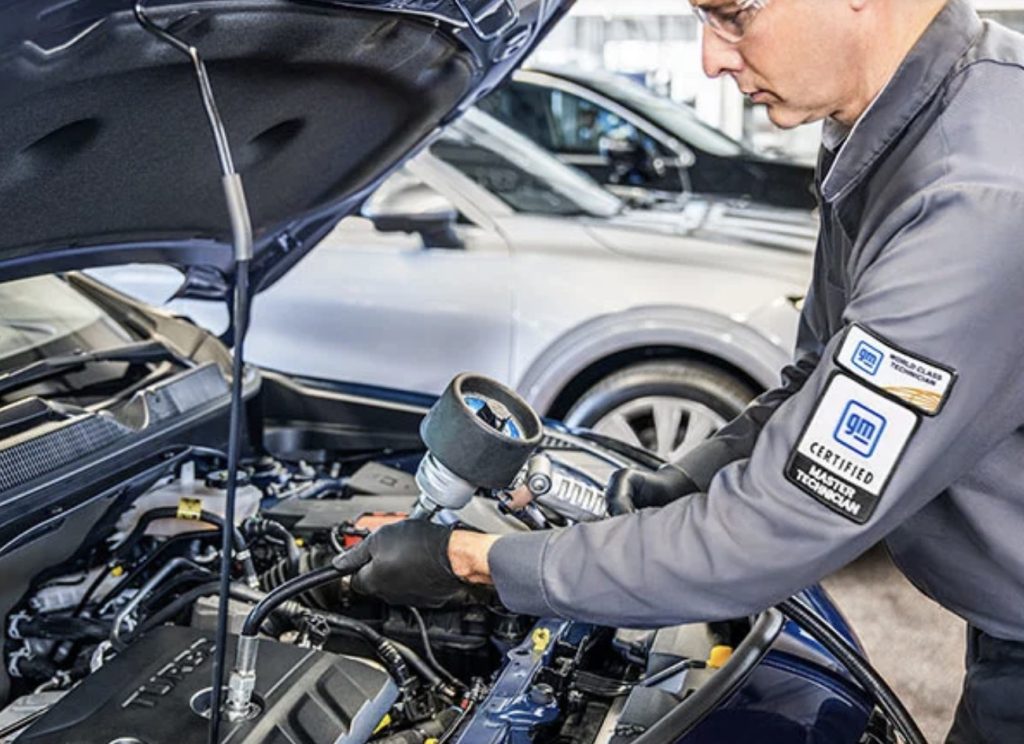
Maintaining a diesel engine requires a specialized approach that differs significantly from standard gasoline vehicle care. At Allen Tillery Chevrolet, Buick & GMC, our team understands that diesel owners often rely on their vehicles for heavy-duty towing, commercial work, or long-distance travel through the Ouachita Mountains. These high-torque engines are built for longevity, but their complex fuel and emissions systems demand precise technical attention to remain reliable. When you need expert care, you can easily find us at our Hot Springs service center located on Central Avenue.
The diagnostic process for modern diesel trucks involves sophisticated software and specialized tools to monitor high-pressure common rail systems and exhaust after-treatment components. We focus on comprehensive health checks that cover everything from turbocharger vane response to the integrity of the Duramax or Cummins fuel injectors. If you notice a change in your engine’s performance or a warning light on your dashboard, give our service advisors a quick call at (501) 881-4160 to discuss the symptoms before they lead to a more costly breakdown.
Beyond engine internals, we provide full-vehicle support to ensure your truck can handle the rigors of Arkansas roads. This includes specialized brake service and repair designed for the heavy loads and heat generated by towing trailers through hilly terrain. Our technicians also manage high-wear components like water pumps, alternators, and glow plugs using factory-approved methods. To keep your maintenance on track, you can schedule a service appointment online for a time that fits your busy work week.
For owners who prefer to handle minor maintenance themselves or need specific components for a project, our facility is a direct resource for factory-backed hardware. You can order genuine OEM parts through our department to ensure that every filter, seal, and sensor meets the exact specifications of your vehicle’s manufacturer. Using the correct parts is the most effective way to protect your engine’s warranty and its long-term resale value.
Table of Contents
- The Critical Role of Fuel Filter Intervals for Diesel Performance
- Managing Thermal Loads and Cooling System Health in Arkansas Heat
- Identifying Common Diesel Engine Warning Signs and Diagnostic Solutions
- The Value of Certified Diesel Technicians and Genuine OEM Parts
- Common Questions Regarding Local Diesel Service and Maintenance
The Critical Role of Fuel Filter Intervals for Diesel Performance
Fuel filtration is arguably the most vital aspect of diesel engine longevity because the tolerances within modern fuel injectors are measured in microns. Contaminants or water in the fuel can cause catastrophic damage to the high-pressure fuel pump and injectors, leading to expensive repairs. Most manufacturers recommend replacing diesel fuel filters every 10,000 to 15,000 miles, though we often suggest more frequent intervals for trucks operating in dusty environments or those using high-biodiesel blends.
If you are wondering whether your filter is reaching the end of its service life, watch for these specific performance indicators:
- The engine is increasingly difficult to start, especially when cold.
- You notice a sluggish response or a “flat spot” during hard acceleration.
- The vehicle idles roughly or stalls unexpectedly at intersections.
- There is a noticeable drop in your average fuel economy.
When we perform a fuel filter service, we use components designed to remove 90% of particles that are 20 microns or larger. This level of filtration ensures a uniform fuel flow and prevents impurities from clogging the delicate spray patterns of your injectors. While your truck is in our bay for fuel system care, it is an excellent time to have our team perform a tire rotation to ensure even tread wear across your front and rear axles, which is particularly important for heavy-duty trucks that carry varying loads.
In Hot Springs, the local humidity and temperature swings can sometimes lead to moisture accumulation in fuel tanks. Regularly draining the water-fuel separator and replacing filters on schedule prevents this moisture from reaching the combustion chamber. Proactive filter changes serve as a cost-effective safeguard against the high cost of fuel system overhauls.
Managing Thermal Loads and Cooling System Health in Arkansas Heat
Diesel engines are highly efficient, but they still reject a massive amount of energy as waste heat. These engines typically convert only about 30% to 35% of fuel energy into work, leaving the rest to be managed by the exhaust and cooling systems. In the intense summer heat of Hot Springs, your radiator and cooling fans must work significantly harder to dissipate this heat. High ambient temperatures increase the risk of overheating because the radiator has less “thermal headroom” to transfer heat away from the engine block.
To prevent heat-related failures, we recommend a thorough cooling system inspection before the peak summer months arrive. This process includes:
- Testing the pH balance and freeze point of the coolant to ensure it still provides corrosion protection.
- Inspecting the radiator fins for debris or damage that could restrict airflow.
- Verifying the operation of the thermostat and the electronic cooling fans.
- Checking all hoses and clamps for signs of “softness,” bulging, or leaks.
Thermal stress doesn’t just affect the coolant; it also accelerates the degradation of your engine oil. In climates where temperatures frequently climb, diesel specialists often recommend an oil change about every 5,000 miles, especially for vehicles used for frequent towing. This ensures the oil maintains its viscosity and continues to pull heat away from the turbocharger bearings and piston skirts.
Neglecting the cooling system can lead to warped cylinder heads or blown head gaskets, which are among the most labor-intensive diesel repairs. By keeping your coolant clean, properly mixed, and at the correct level, you protect the engine against the extreme thermal loads found during a long climb into the mountains. If your reservoir is consistently low or you notice rust-colored fluid, it is a clear signal that the system requires a professional flush and pressure test.
Identifying Common Diesel Engine Warning Signs and Diagnostic Solutions
Recognizing the early warning signs of a diesel mechanical issue can be the difference between a simple sensor replacement and a total engine rebuild. One of the most common concerns for drivers in the region involves the emissions system, specifically the Diesel Particulate Filter (DPF). If your truck is frequently entering “limp mode” or showing a message about a full exhaust filter, it may be due to short-trip driving patterns that prevent the system from reaching the temperatures needed for a full regeneration cycle.
Another critical check for high-mileage engines is the “blow-by” test. You can perform a basic check by removing the oil fill cap while the engine is running and setting it upside down over the opening. If the cap is physically blown off by internal pressure, it may indicate worn piston rings or other internal compression issues that require a professional teardown. Other symptoms to watch for include:
- Excessive black, blue, or white smoke from the exhaust tailpipe.
- A sudden loss of power under load, which often points to turbocharger or boost-leak issues.
- Persistent “hard starting” that doesn’t improve after the glow plugs have cycled.
- Unusual knocking or “clattering” sounds that change with engine RPM.
Our diagnostic approach uses factory-level scanning tools that can read deep-level fault codes and perform “contribution tests” on individual cylinders. This allows us to pinpoint a failing injector or a sticking EGR valve without unnecessary parts-swapping. We also monitor the Diesel Exhaust Fluid (DEF) system, as high heat can sometimes degrade the fluid’s effectiveness or cause the dosing pump to fail, triggering an emissions-related speed limiter.
The Value of Certified Diesel Technicians and Genuine OEM Parts
Choosing where to take your diesel truck for repair is a decision that impacts the safety and reliability of your vehicle for years to come. While independent shops may offer various services, a dealership environment provides technicians who are specifically trained by the manufacturer on the latest Duramax, Power Stroke, and Cummins platforms. These experts have access to proprietary technical service bulletins and specialized software updates that are often unavailable to general repair shops.
Using genuine OEM parts is equally important for maintaining the tight tolerances required by diesel engines. Aftermarket parts may look similar, but they often lack the exact metallurgical properties or filtration efficiency required by high-performance diesel systems. For example, a factory-spec water pump is designed to provide a specific flow rate that matches the engine’s cooling requirements at maximum tow capacity—a standard that generic “will-fit” parts might not meet.
Furthermore, repairs performed at our facility are backed by a manufacturer warranty that is honored at authorized centers across the country. This provides peace of mind for drivers who travel outside of Arkansas, knowing that if a part fails, they are covered. Our technicians also verify that your vehicle is up to date on all safety recalls and software calibrations during every visit, ensuring that your truck’s computer is optimized for the best possible fuel efficiency and emissions performance.
Common Questions Regarding Local Diesel Service and Maintenance
Q: How can I find a reputable diesel mechanic in Hot Springs?
The most reliable way to find an expert is to look for a facility with manufacturer-certified technicians and a dedicated diesel service department. At Allen Tillery Chevrolet, Buick & GMC, we employ specialists who focus exclusively on the complexities of diesel engines. You can find our address on Central Avenue and stop by to speak with our service team about your specific truck’s needs.
Q: Is a diesel truck a good choice for short commutes around town?
Diesel engines are generally at their best when they can reach and maintain high operating temperatures over long distances. If you primarily drive short distances in Malvern, your engine may struggle to complete the DPF regeneration process, leading to soot buildup and potential emissions issues. We recommend taking your diesel on a highway trip at least once a week to allow the exhaust system to clean itself properly.
Q: How often should I change my fuel filters in this region?
While many manuals suggest a 15,000-mile interval, the dusty conditions and high humidity in Arkansas often make a 10,000-mile change more appropriate. Clean fuel is the single most important factor in preventing injector failure. If you have questions about the specific interval for your model year, you can reach our service advisors with a quick call at (501) 881-4160 for personalized guidance.
Q: Do I need to use special additives in my diesel fuel?
Most modern diesel engines are designed to run on standard Ultra-Low Sulfur Diesel (ULSD) without extra additives. However, during extreme temperature shifts or if you suspect low-quality fuel, a lubricity enhancer or a cold-weather anti-gel additive can provide extra protection for your high-pressure fuel pump. We recommend using only manufacturer-approved additives to avoid interfering with the emissions system.
Q: What should I do if my truck starts blowing excessive black smoke?
Black smoke is usually a sign of an “over-rich” condition, meaning there is too much fuel or not enough air in the combustion chamber. This can be caused by a dirty air filter, a failing turbocharger, or a sticking fuel injector. Since this can lead to rapid soot buildup in your DPF, you should have it diagnosed by a professional as soon as possible to prevent a more expensive exhaust repair.
To ensure your diesel truck remains in peak condition for your next job or weekend trip, the most effective step you can take is to keep up with professional maintenance. Our team is ready to help you manage your service intervals and address any performance concerns. We invite you to schedule your next diesel service with us today so we can help you get the most out of your vehicle’s performance and longevity.
Connect with us


- July 2026
- June 2026
- May 2026
- April 2026
- March 2026
- February 2026
- January 2026
- December 2025
- November 2025
- October 2025
- September 2025
- August 2025
- July 2025
- June 2025
- May 2025
- April 2025
- March 2025
- February 2025
- January 2025
- December 2024
- November 2024
- October 2024
- September 2024
- August 2024
- July 2024
- June 2024
- May 2024
- April 2024
- March 2024
- February 2024
- January 2024
- December 2023
- November 2023
- October 2023
- September 2023
- August 2023
- July 2023
- June 2023
- May 2023
- April 2023
- March 2023
- February 2023
- January 2023
- December 2022
- November 2022
- October 2022
Archives
- Allen Tillery Auto Chevrolet Buick GMC Service
- Arkadelphia Buick Dealer
- Arkadelphia GMC Dealership
- Auto Repair Hot Springs
- Brake Repair
- Bryant Buick Dealership
- Bryant GMC Dealership
- Buick Certified Service Center AR
- Buick Dealer Little Rock
- Buick Dealership Hot Springs
- Buick SUV
- Commercial Fleet Vans
- GMC Acadia
- GMC Canyon
- GMC Dealer Little Rock
- GMC Dealership Bryant AR
- GMC Dealership Texarkana
- GMC Sierra
- GMC Sierra 2500HD
- GMC SUV
- GMC Trucks
- Horse Trailer Towing
- Hot Springs Chevrolet Dealership
- Hot Springs Chevrolet Service
- Hot Springs GMC Dealership
- Hot Springs GMC Service
- Hot Springs Used Cars
- Mechanic Hot Springs
- No Credit Bad Credit Auto Loans
- No Credit Bad Credit Financing
- Oil Change
- Sierra 3500HD Hot Springs
- Silverado 2500HD
- Uncategorized
- Used Car Dealership Hot Springs
- Used Car Dealership Little Rock
- Used Cars Malvern